1. Buy at the Right Time
Look for avocados that feel heavy for their size and yield slightly to gentle pressure. Avoid rock-hard avocados—they may have been picked too early.
2. Know Your Source
If possible, buy from reputable sources with good turnover. High-volume stores typically have fresher stock.
3. Consider the Season
Avocado texture can vary by season. In general, avocados are best from late winter through spring, though this varies by growing region.
4. Ripen Properly at Home
Let avocados ripen at room temperature, then refrigerate once ripe. Quick-ripening methods (like microwaving) can affect texture.
5. Learn to Spot Potential Problems
While you can’t always tell from the outside, very hard avocados that seem unusually light for their size may be more prone to stringiness.
What to Do If You Cut Into a Stringy Avocado
-
Don’t panic – It’s still safe to eat
-
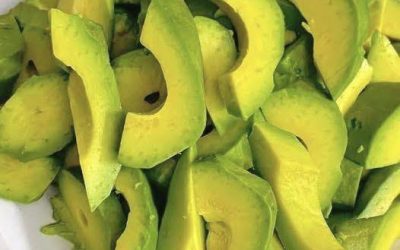
Assess the texture – If it’s just a few strings, you can probably ignore them
-
For guacamole – Mash aggressively; most strings will break down
-
For slices – You can sometimes peel away the strings
-
For avocado toast – Consider using it for something where texture matters less (smoothies, dressings)
A Final Thought
Stringy avocados are frustrating, especially when you’ve been looking forward to that perfect, creamy texture. But they’re a reminder that avocados are real, living food—not factory-made products. A little variation is natural, and those harmless strings won’t hurt you.
Now you know exactly what they are and why they happen.
The next time you encounter a stringy avocado, you can smile knowingly. Those are just the avocado’s version of veins—and your avocado is perfectly fine.