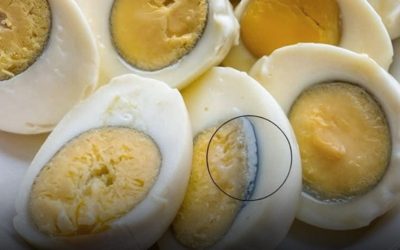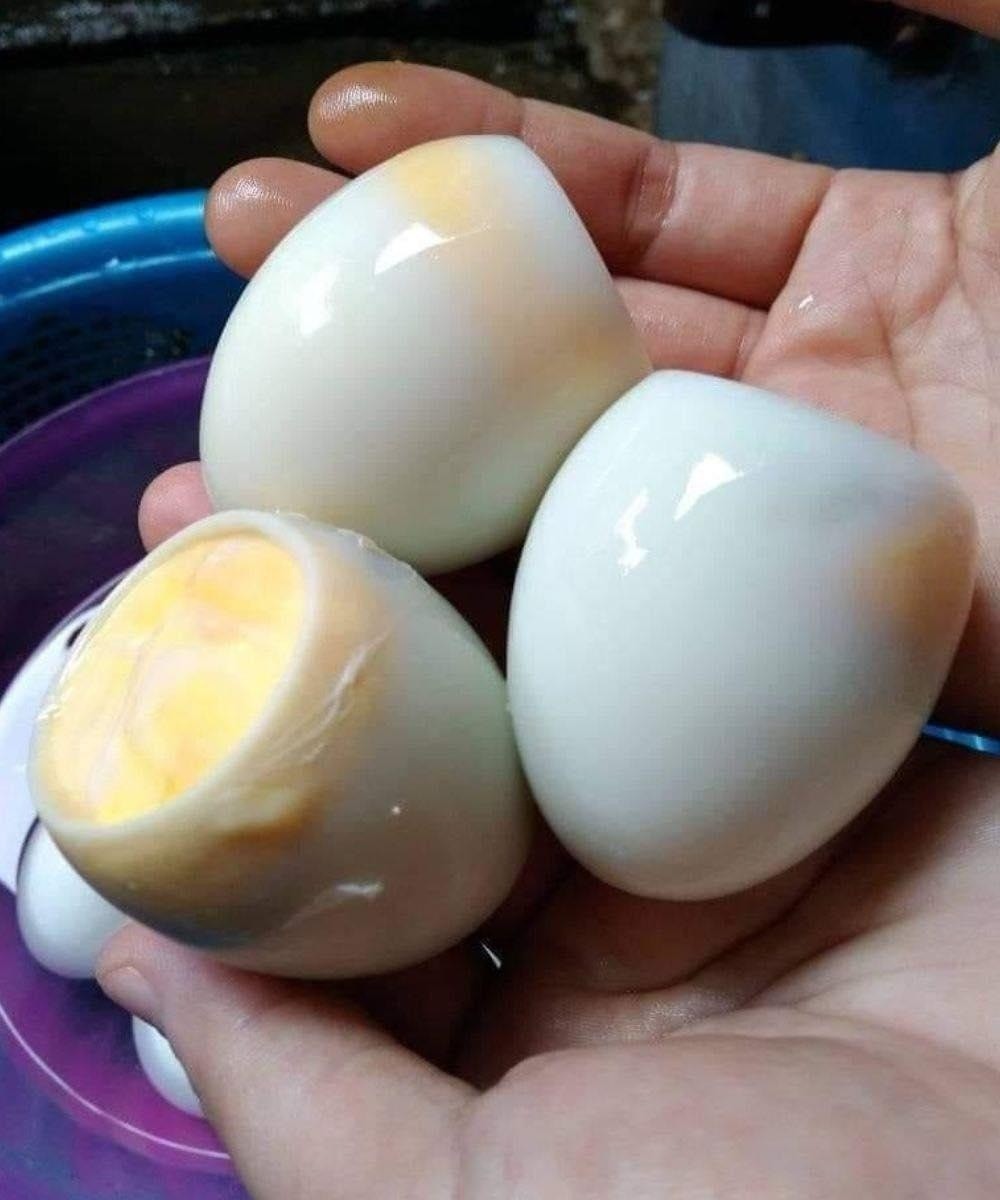
2. How Spoiled Eggs Affect Your Body
When you consume a rotten egg, your digestive system reacts quickly. Bacteria like Salmonella release toxins that irritate the stomach and intestines. This irritation causes inflammation, leading to diarrhea and vomiting as your body tries to eliminate the harmful substance.
In addition, spoiled eggs often contain sulfur compounds that produce a strong “rotten” smell. While these compounds themselves are not always dangerous, they are a sign that the egg has decomposed and may no longer be safe to eat.
3. Who Is at Higher Risk?
Certain groups are more vulnerable to severe complications from food poisoning:
Young children
Elderly adults
Pregnant women
People with weakened immune systems
In these individuals, dehydration and complications can develop more quickly. Medical attention may be necessary if symptoms become severe.
4. When to Seek Medical Help
You should consult a doctor if you experience:
Discover more
Skincare products
Apple products
Husband appreciation gifts
High fever (above 38.5°C / 101.3°F)
Persistent vomiting
Bloody diarrhea
Signs of dehydration (dry mouth, dizziness, low urination)
Symptoms lasting more than three days
Severe cases of bacterial infection may require antibiotics or hospital care.
5. Can a Small Bite Make You Sick?
Sometimes, people worry after taking just one bite of a suspicious egg. The risk depends on the level of contamination. If the egg simply tasted unpleasant but wasn’t heavily contaminated, you may experience no symptoms at all. However, if bacteria were present, even a small amount can trigger illness.
If you realize you’ve eaten a spoiled egg, monitor your body closely over the next 24–48 hours.
6. What to Do If You Ate a Bad Egg
If symptoms are mild:
Drink plenty of fluids (water, electrolyte solutions)
Rest
Eat light foods like toast, rice, or bananas
Avoid dairy, caffeine, alcohol, and fatty foods until you feel better.
Do not take anti-diarrheal medication unless advised by a healthcare professional, as your body needs to eliminate the bacteria.
7. How to Prevent Eating Spoiled Eggs
Prevention is simple but important:
Discover more
Tech news
iPhone
Family counseling services
Check expiration dates before use
Store eggs in the refrigerator at 4°C (40°F) or below
Perform a “float test” (fresh eggs sink; old eggs float)
Discard eggs with a strong sulfur smell
Avoid cracked or leaking eggs
Proper storage and handling significantly reduce your risk of illness.
Final Thoughts
Accidentally eating a spoiled egg can cause food poisoning, but in most cases, symptoms are temporary and manageable at home. Staying hydrated and monitoring your condition are key steps in recovery. However, if symptoms worsen or persist, seek medical care promptly.
When it comes to eggs, trust your senses—if it smells bad, looks unusual, or tastes off, it’s better to throw it away than risk your health.