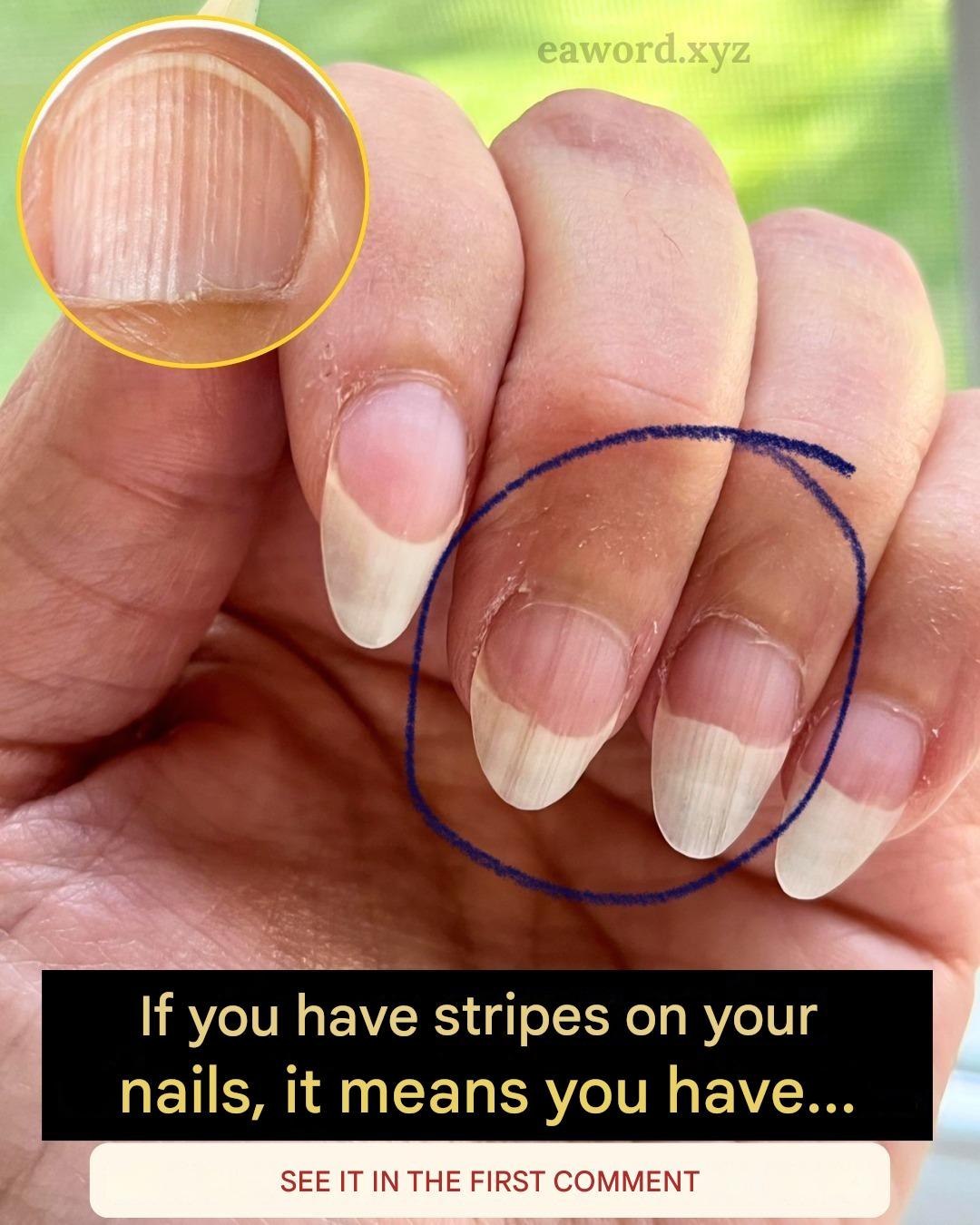
When white lines appear after an intensive manicure or after bumping your fingers, they are most likely minor injuries that will move towards the tip as the nail grows. If you’ve used harsh products or over-trimmed the cuticle, the surface may only be dull or brittle for a few days.
In people who perform manual labor, play contact sports, or wear tight shoes, repeated friction can also cause these lines. In other cases, the lines may be related to periods of illness, high fever, or physical stress that temporarily interrupt nail growth and leave visible marks.
Less frequently, nail infections, nearby skin disorders, or specific medical treatments can alter the color or growth rate.
What to do and when to consult
The first thing is to observe the evolution, if the marks advance towards the free edge and are reduced over time, they usually correspond to benign processes.
Maintaining good nail care habits helps them disappear faster: moisturize nails and cuticles, alternate periods without nail polish, use gentle nail polish removers, avoid biting or picking at skin, and protect yourself with gloves when handling cleaning products.
If white lines persist for months, appear on many nails at once, or are accompanied by pain, redness, thickening, or noticeable changes in shape, it’s advisable to consult a healthcare professional for a personalized evaluation. A specialist can rule out infections or conditions requiring treatment and offer personalized guidance.
Try to trim and file your nails gently, following their natural shape. Moisturize the area after washing your hands and limit exposure to harsh chemicals. If you do activities that involve impacts or constant friction, consider using appropriate protective gear and taking breaks from polishing your nails to allow them to recover.
A balanced diet, rich in protein and micronutrients, supports healthy nail growth, although the belief that white spots are solely due to a lack of calcium is a common myth.
The focus should be on comprehensive care and avoiding repeated trauma. Note: This information is general in nature and does not replace a medical evaluation. If you notice persistent or concerning changes in your nails, consult a dermatologist.