| Type | Best For | Note |
|---|---|---|
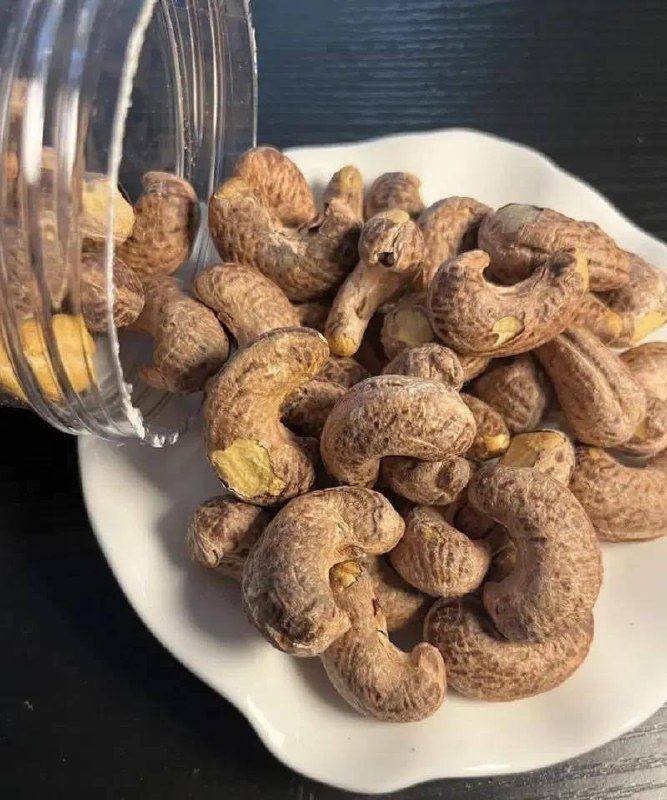
| Dry-Roasted, Unsalted | Everyday health | Avoid added oils; unsalted helps control sodium. |
| Raw (Steamed), Unsalted | Cooking, butter making | The least processed option available. |
| Avoid: Honey-Roasted, Sriracha, etc. | — | Loaded with sugar, unhealthy oils, and sodium. |
Storage: Due to high fat content, cashews turn rancid quickly. Store in an airtight container in the fridge for up to 6 months, or freeze for a year.
 How to Incorporate Them Wisely: A Serving Guide
-
Single Serving: 1 ounce (≈18-20 nuts) or 2 tablespoons of cashew butter.
-
Smart Pairings:
-
With fruit (apple slices) for balanced energy.
-
In oatmeal or yogurt for creaminess and protein.
-
As a salad topper for crunch.
-
Blended into sauces (replace dairy) or homemade energy bars.
-
The Bottom Line
Cashews are a nutrient-dense, health-promoting food for most people when consumed in mindful portions. Their unique combination of healthy fats, plant protein, and minerals supports heart, metabolic, and bone health.
However, they are not a « free pass » snack. Respect their calorie density, beware of oxalates if kidney-stone-prone, and always portion control. For the vast majority, making a handful of cashews a daily habit is a smart, delicious investment in long-term health—far superior to processed snacks. Just don’t let the « health halo » trick you into eating the whole bag.